
Gas vs. Electric Range Repair: What Harrisburg Homeowners Should Know
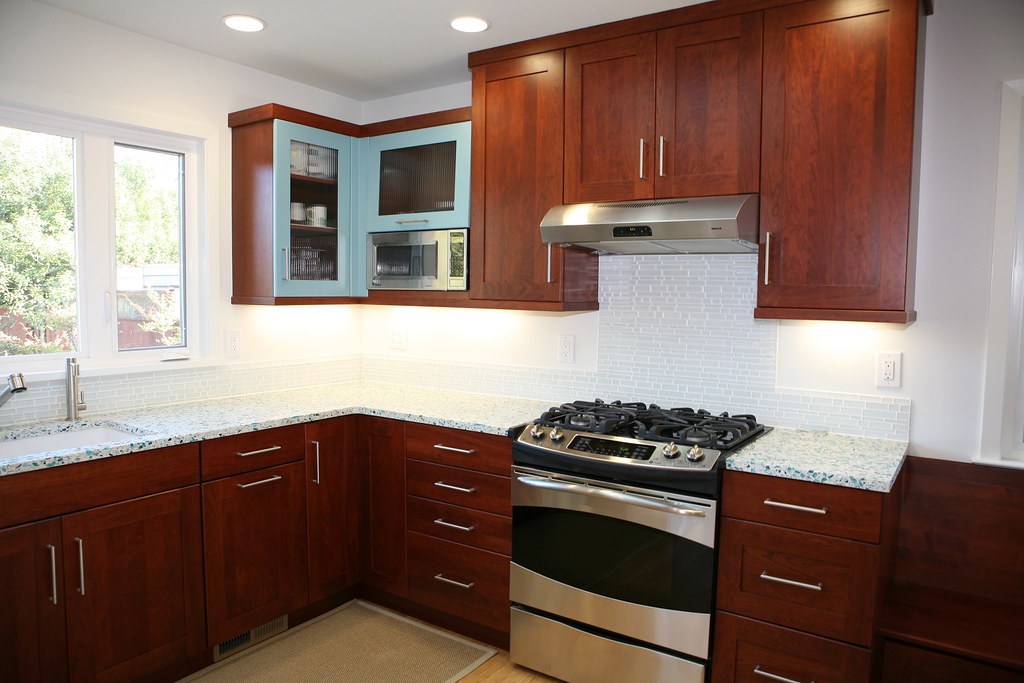
Photo: “Kitchen Range” by shannondemma, CC BY 2.0
Key Takeaways
- Gas range repairs are typically slightly cheaper than electric
- Electric ranges depend more on control boards, which cost more to fix
- Both fuel types are fully repairable by the same certified technician
- Neither type has a meaningfully longer lifespan than the other
Whether you’re troubleshooting a current range problem or deciding what to buy next, it helps to understand how gas and electric ranges actually differ when something goes wrong.
How the two differ mechanically
A gas range relies on burner valves, igniters, and a gas supply line to generate heat directly through an open flame. An electric range (coil or smooth-top) uses heating elements that warm up through electrical resistance, controlled by a circuit board or infinite switch.
Common gas range repairs
- Igniter won’t click or glow — the most frequent gas range service call
- Burner won’t light despite clicking — often a clogged burner port or weak igniter
- Uneven flame — usually debris in the burner cap, an easy clean-and-inspect fix
- Gas smell — stop use immediately and call a technician; don’t attempt to diagnose this one yourself
Common electric range repairs
- Burner or bake element not heating — typically a worn-out element, a straightforward swap
- Control board issues — more complex, and the main reason electric range repairs can run slightly higher than gas
- Cracked glass cooktop — on smooth-top models, usually requires a full surface replacement
- Uneven heating — often a failing temperature sensor rather than the element itself
Which is cheaper to repair?
Generally, gas range repairs run slightly less than electric, since igniters and burner valves are mechanically simpler and less expensive than electronic control boards. That said, both types are well within the $150-$380 typical range repair window for the vast majority of issues — a full control board replacement on either type is the main exception that can run higher.
Is one more reliable long-term?
Neither has a dramatically longer lifespan than the other. Gas ranges tend to have fewer electronic failure points, while electric ranges (especially smooth-top induction models) often have more precise temperature control. The right choice usually comes down to cooking preference and whether your home already has a gas line, not repair frequency.
See our oven & stove repair page for pricing and same-day availability across the Harrisburg area, regardless of which type you have.
Frequently Asked Questions
Can the same technician repair both gas and electric ranges?
Yes — our technicians are trained and equipped for both fuel types, so you don’t need to find a specialist based on what you have.
Is it dangerous to use a gas range with a weak igniter?
It’s not inherently dangerous, but repeated clicking without ignition can allow gas to build up briefly — if you ever smell gas, stop and call a technician immediately rather than continuing to try.
Should I switch from gas to electric (or vice versa) when replacing my range?
That’s mostly a cooking preference and installation-cost decision (running a new gas line or dedicated electrical circuit isn’t free) rather than something driven by repair reliability.
Need a technician instead of a guess?
Same-day appointments across Harrisburg, Dauphin & Cumberland counties.